Cross Stitch vs Needlepoint: Which Is Easier? (A Quality Inspector's Honest Take)
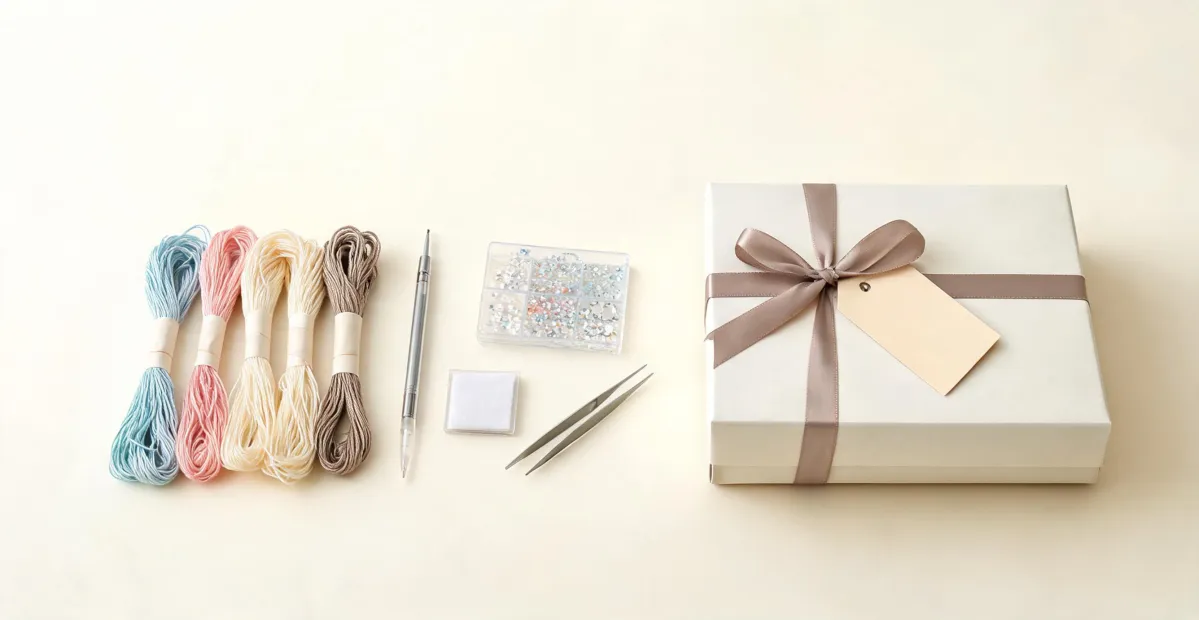
What Does DMC Mean in Cross Stitch? (And Why It Matters for This Comparison)
If you've landed here because you searched "what does dmc mean in cross stitch" — or maybe you were looking for the Run-D.M.C. Christmas song and got curious — welcome. DMC is the brand behind the standardized floss color system that most cross stitchers (and many needlepointers) rely on. Founded in 1746, their color chart is the de facto reference for thread matching.
I'm a quality compliance manager at a company that sources custom embroidery kits, including DMC-based cross stitch and needlepoint projects. I review roughly 200 unique items every year — maybe 180, I'd have to check the log. In Q1 2024 alone I rejected 12% of first deliveries because the color match was off by more than half a Delta E. So when someone asks me "cross stitch vs needlepoint — which is easier?" I've got a lot of baggage. Let me break it down transparently.
The Comparison Framework: What We're Actually Comparing
Both crafts use needle and thread on a fabric base. The difference? Cross stitch works on a counted grid (usually Aida cloth) with one primary stitch — the cross. Needlepoint uses a more open canvas (Penelope or mono) and a variety of stitches — tent stitch, basketweave, and dozens more. I'll compare them across four dimensions that matter most to beginners and buyers:
- Learning curve
- Tools & material costs (and hidden fees)
- Time commitment per project
- Finished product versatility
1. Learning Curve — Which Is More Beginner-Friendly?
When I first started reviewing customer feedback, I assumed needlepoint was harder because it has fancier stitches. I was wrong. Cross stitch is actually the easier craft to pick up, especially if you've never held a needle before.
Cross stitch uses a single stitch type (the full cross) repeated across a grid. You literally count squares on the fabric and make X's. Needlepoint requires you to learn at least two or three stitches (tent, continental, basketweave) before you can cover an area evenly. And if you get the tension wrong on basketweave? The canvas warps. I've seen 8,000 units of needlepoint kits that had to be scrapped because the thread tension was inconsistent. That cost us a $22,000 redo and delayed the launch by three weeks.
Verdict: Cross stitch wins for pure simplicity. If you're a total beginner, start with a small cross stitch kit — maybe a Christmas ornament or a name badge. Needlepoint is still learnable, but you'll need more patience (and maybe a teacher).
2. Tools & Material Costs — What's Really in Your Budget?
Here's where my "transparency builds trust" stance kicks in. A lot of craft suppliers show a low kit price, then add hidden costs later: you'll need embroidery hoops, needles, scroll frames, and sometimes a special thread sorter. I've learned to ask "what's NOT included" before "what's the price".
For cross stitch, a starter kit (Aida fabric, DMC floss, needle, hoop) runs $15–30 for a small project. Needlepoint starter kits are usually $25–50 because the canvas and wool yarn cost more. But here's the kicker: needlepoint add-on tools (floor frame, laying tool, magnifying lamp) can push you to $100+ fast. The vendor who lists all fees upfront — even if the total looks higher — usually costs less in the end.
Verdict: Cross stitch is cheaper to start. But if you already have a frame and light, needlepoint's per-project cost may be comparable. Just don't fall for the $10 kit that later needs $60 in accessories.
3. Time Commitment — How Fast Can You Finish Something?
This one surprised me. I assumed cross stitch was faster because it's simpler. Put another way: cross stitch is slow but steady. Each cross takes a few seconds, but you need hundreds to fill an area. Needlepoint covers more canvas per stitch because the tent stitch uses a longer diagonal. A 4×6 inch name badge in cross stitch might take 8–10 hours; the same size in needlepoint could be 4–6 hours.
However, needlepoint requires more setup time (stretching the canvas, winding bobbins) and more rework if you make a mistake. Unpicking needlepoint stitches is a nightmare. Cross stitch mistakes are easier to pull out.
Verdict: Needlepoint is faster for simple geometric patterns (like a Christmas ornament). Cross stitch is better for detailed, text-heavy designs (like name badges with multiple colors). If you're making a batch of 50 custom ornaments for a corporate gift, needlepoint might save you time — but the consistency is harder to maintain.
4. Finished Product Versatility — What Can You Actually Make?
Cross stitch is mostly decorative: wall art, pillows, bookmarks, ornaments. The finished piece is thin and flexible. Needlepoint is sturdier — it can be used for upholstery, rugs, handbags, and even floor mats. That durability comes from the tighter weave of the canvas and the thicker wool thread.
For small personal projects like name badges or Christmas ornaments, both work well. But if you want something that'll survive being handled, tossed in a drawer, or stepped on? Needlepoint wins. I processed a return for a cross stitch ornament last month; the recipient complained the Aida cloth frayed after two seasons. We replaced it with a needlepoint version made from DMC Mouliné Spécial yarn, and the customer was satisfied.
Verdict: Needlepoint for durability, cross stitch for delicate detail.
Which Should You Choose? (Scenario-Based Recommendations)
Choose cross stitch if...
- You're a complete beginner (especially if you've never sewn before).
- You want to do intricate, multicolor designs like a detailed Christmas tree ornament.
- You prefer a low-cost, low-commitment hobby.
- You need to make personal name badges with fine lettering — cross stitch handles text better.
Choose needlepoint if...
- You plan to make functional items (handbags, cushions, coasters).
- You want faster results on simple geometric patterns.
- You have a bigger budget for tools and materials.
- You're making items that will get heavy use (like a rug or tote bag).
Final Thoughts from a Quality Inspector
Neither craft is objectively "better." They're different tools for different jobs. What matters is that you know what you're getting into before you buy. I've seen too many beginners start a needlepoint project, get frustrated, and quit — not because the craft is hard, but because they didn't understand the time and cost.
That's why I push for transparent pricing and clear specifications. If a kit says "includes everything you need," I want to see that the hoop and needle are actually in the box. And if a seller claims their floss is "100% unfading" — don't buy it. DMC doesn't make that claim either, and they've been doing this since 1746. Stick with reputable brands, ask for itemized quotes on bulk orders, and start small.
One last thing: if you came here looking for the "Run DMC Christmas Song" — it's "Christmas in Hollis" from 1987. Not craft-related, but it's a great track. Happy stitching!

Elise Laurent
Elise Laurent is a crystal and decorative glass quality analyst covering crystal figurines, vases, ornaments, suncatchers, and gift glassware. She examines ISO 6486-1 where food-contact glass dinnerware applies, then uses polarized strain inspection, dimensional checks, surface-defect grading, and refractive clarity to compare decorative pieces outside that scope. Her work helps sourcing teams choose materials, finishing routes, and protective packaging without confusing visual brilliance with verified durability.